Cruelty-Free VS. Vegan Beauty Products: What’s The Difference?
This post may contain affiliate links. For more information, read the full disclosure here.
Terms like “cruelty-free” and “vegan” are widely used by the beauty industry and I can imagine that it is quite overwhelming when you’re just starting your research about animal testing in cosmetics. While the terms often get tossed around together, they have very different meanings.
In this article, we’ll go over each term and describe thoroughly what they mean including examples so that after reading this, you’ll understand exactly what “cruelty-free” and “vegan” mean without any confusion. It’ll help you align your purchases with your values, whatever they may be (we’re not judging here!).
Cruelty-Free VS. Vegan Beauty

What Does Cruelty-Free Mean?
Cruelty-free refers to the movement that seeks companies and governments to stop experimental animal testing. Not just for finished products but any part of the production process of a product. That includes third parties and suppliers as well.
A truly cruelty-free brand does not perform any animal testing on products or ingredients at any point during the making of their products. They also ensure that their suppliers don’t test on animals and that no third parties test on animals on their behalf. The brand may not test on animals where required by law.
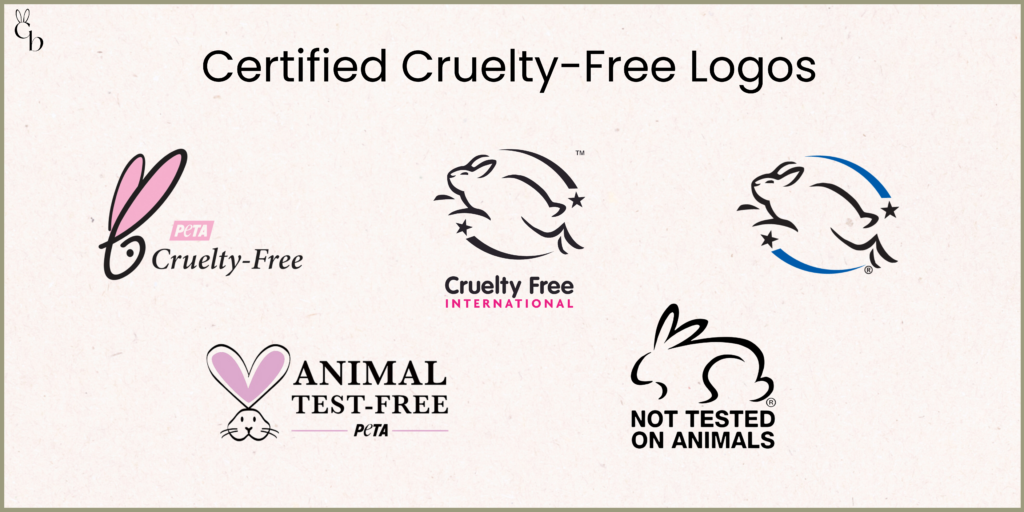
Organizations like Leaping Bunny or PETA established standards for cruelty-free certification, meaning if a brand carries these labels, you can trust that they’re committed to being cruelty-free.
What Does Vegan Mean?
Vegan products contain no animal-derived ingredients, which encompasses everything from honey and beeswax to lanolin and collagen. When you see “vegan” on a label, you can feel good knowing that the product is plant-based and free from any ingredients that come from animals.
Many brands also follow ethical sourcing practices for ingredients, making them more aligned with your commitment to sustainability. Just like cruelty-free products, look for reputable certifications to confirm the vegan claim.
Are Vegan Cosmetics The Same As Cruelty-Free?
Not necessarily. While there’s a nice overlap between vegan and cruelty-free products, they’re not interchangeable. A product can be vegan but not cruelty-free if it’s made without animal ingredients yet still subjected to animal testing.
Conversely, a cruelty-free product might contain animal-derived ingredients, so it is not tested on animals but it does contain animal-derived ingredients.
Can A Product Be Cruelty-Free & Vegan?
You’ve been eyeing that gorgeous palette or that luxurious moisturizer, but there’s a nagging question at the back of your mind: Can a beauty product be both cruelty-free and vegan? The short answer is absolutely.
Thankfully, in recent years, several cosmetics brands have been launched that commit to being cruelty-free and vegan, often in addition to being free of parabens, sulfates, or more (which we call “clean”), considered harmful ingredients.
Here are a few brand examples that are both cruelty-free and vegan:
- Biossance: 100% vegan and cruelty-free; no animal testing whatsoever.
- The Ordinary: Maintains a strong cruelty-free pledge while ensuring all products are vegan.
- Milk Makeup: Not only cruelty-free but also 100% vegan, aligning with eco-conscious values.
- Merit: Focuses on being both cruelty-free and vegan while delivering high-quality products.
However, it is also possible that a product is cruelty-free and not vegan or the other way around, vegan and not cruelty-free. Let me explain this further:
Can A Product Be Cruelty-Free But NOT Vegan?
Yes, a product can be cruelty-free but not vegan. Cruelty-free means that no animal testing occurs at any stage of product development. But, this doesn’t guarantee that the ingredients are entirely plant-based.
For example, Burts’s Bees boasts a cruelty-free certification from Leaping Bunny, yet many of its products feature beeswax and lanolin. Since both ingredients derive from animals, their offerings aren’t vegan. Similarly, Glossier’s Cloud Paint is cruelty-free but contains carmine, which comes from crushed beetles.
Cruelty-Free Cosmetics that are NOT Vegan:
- Burt’s Bees: Leaping Bunny certified yet uses animal-derived ingredients like beeswax.
- Glossier: Their Cloud Paint is cruelty-free, containing carmine from beetles.
- Tatcha: Claims cruelty-free status while utilizing sericin from silkworms.
Can A Product Be Vegan but NOT Cruelty-Free?
Absolutely, a product can be vegan but not cruelty-free, especially if it’s sold in certain markets or allows animal testing. NARS is a notable case. Their products are marketed as vegan, but since they sell in China, those products undergo animal testing as regulated by law.
Algenist offers a line featuring “Vegan Collagen,” but their policy permits animal testing when legally required, making them non-cruelty-free.
Caudalie claims that most of its products are vegan, with a few exceptions. However, their presence in the Chinese market subjects them to the same animal testing laws.
So, while some products may be vegan, they’re not cruelty-free. Even Maybelline’s Green Edition, which is marketed as vegan, does not escape the animal testing clause – they test when laws demand it.
Vegan Cosmetics that are NOT Cruelty-Free:
- NARS: Markets as vegan but allows animal testing for products sold in China.
- Algenist: Offers vegan collagen, yet permits animal testing when needed by law.
- Caudalie: Most products are vegan, but their sale in China subjects them to potential animal testing.
- Maybelline: Their vegan line, Green Edition, still undergoes animal testing as required by law.
Unregulated Labels: Their Use & How To Become Proactive
When you’re diving into the world of beauty products, terms like “cruelty-free” and “vegan” often beam at you from labels, promising ethical production processes.
However, these terms aren’t as straightforward as they appear. Understanding the regulation, or lack thereof, around these labels can empower you to make more informed choices in your beauty routine.
Are There Any Auditing Agencies That Monitor Brands for Mislabeling?
For some reason, brands can easily throw terms like “cruelty-free,” “clean,” “vegan,” and “non-toxic” around but these terms are not regulated by the FDA, meaning any company can claim to be “cruelty-free” or any of the above terms, regardless of their (animal testing) policies. This means blatantly trusting the brand promises isn’t the way to go cruelty-free/vegan/clean anymore.
There are several organizations, though, that have stepped in to provide some level of verification.
Leaping Bunny and PETA’s Beauty Without Bunnies program are the two biggest and most rigorous programs. They offer certification that brands can display if they meet the respective criteria for being cruelty-free. Check out this article to see the difference between the two.
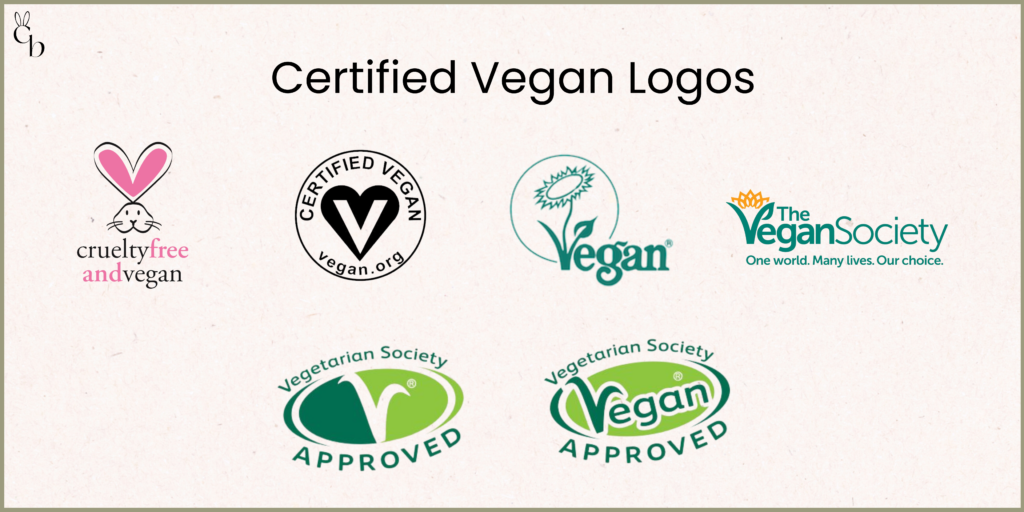
Moreover, there are a few vegan certifications now too, including The Certified Vegan Logo by Vegan Action, The Vegan Society, and The Vegetarian Society that give an extra level of security.
READ MORE: Cruelty-Free Symbols & Vegan Labels: Which Can Be Trusted?
Is It Illegal for Brands To Deceive Consumers About Being Cruelty-Free or Vegan?
While false advertising is illegal, terms like “cruelty-free,” “clean,” “vegan,” and “non-toxic” are not regulated, meaning any company can claim to be “cruelty-free” or any of the above terms, regardless of their (animal testing) policies.
For instance, a brand can claim its final product wasn’t tested on animals and thus label it “cruelty-free,” even if the individual ingredients were tested by their suppliers. Similarly, “vegan” products might not involve animal-derived ingredients, but could be processed in facilities where cross-contamination occurs.
Vegan ≠ Clean, Sustainable, Ethical Products
The term vegan might give you the impression that products are automatically clean or sustainable, but that’s not a universal truth. Brands often replace animal-derived ingredients with plant-based or synthetic alternatives, but that doesn’t guarantee environmental friendliness.
Vegan products can still contain harmful chemicals or unethically sourced materials. The ingredients’ origins and manufacturing practices heavily influence the overall impact.
Cruelty-Free Brands And Parent Companies
Exploring the relationship between cruelty-free brands and their parent companies can add another layer of complexity. Brands like NYX and Urban Decay, while cruelty-free themselves, are owned by L’Oreal, a company that tests on animals.
Some shoppers continue to support these brands in hopes of pushing their parents to adopt more humane practices. Conversely, many ethical consumers may choose not to purchase from these brands due to the association.
One critical aspect to consider is where your money actually goes after a purchase. It might come as a surprise, but not all profits stay with the brand you buy from. Especially when smaller, seemingly cruelty-free brands are under the umbrella of larger companies that don’t share the same ethical stance.
For example, when you buy a lipstick from a brand that prides itself on being cruelty-free, but is owned by a parent company that tests on animals, you’re indirectly supporting animal testing.
It’s a tricky situation, as these larger companies might use the profits from their cruelty-free subsidiaries to fund activities that don’t align with your values.
It’s all about weighing your values against your purchases. Determine what feels right for you, whether that means supporting cruelty-free brands, or seeking out fully independent companies with ethical practices.